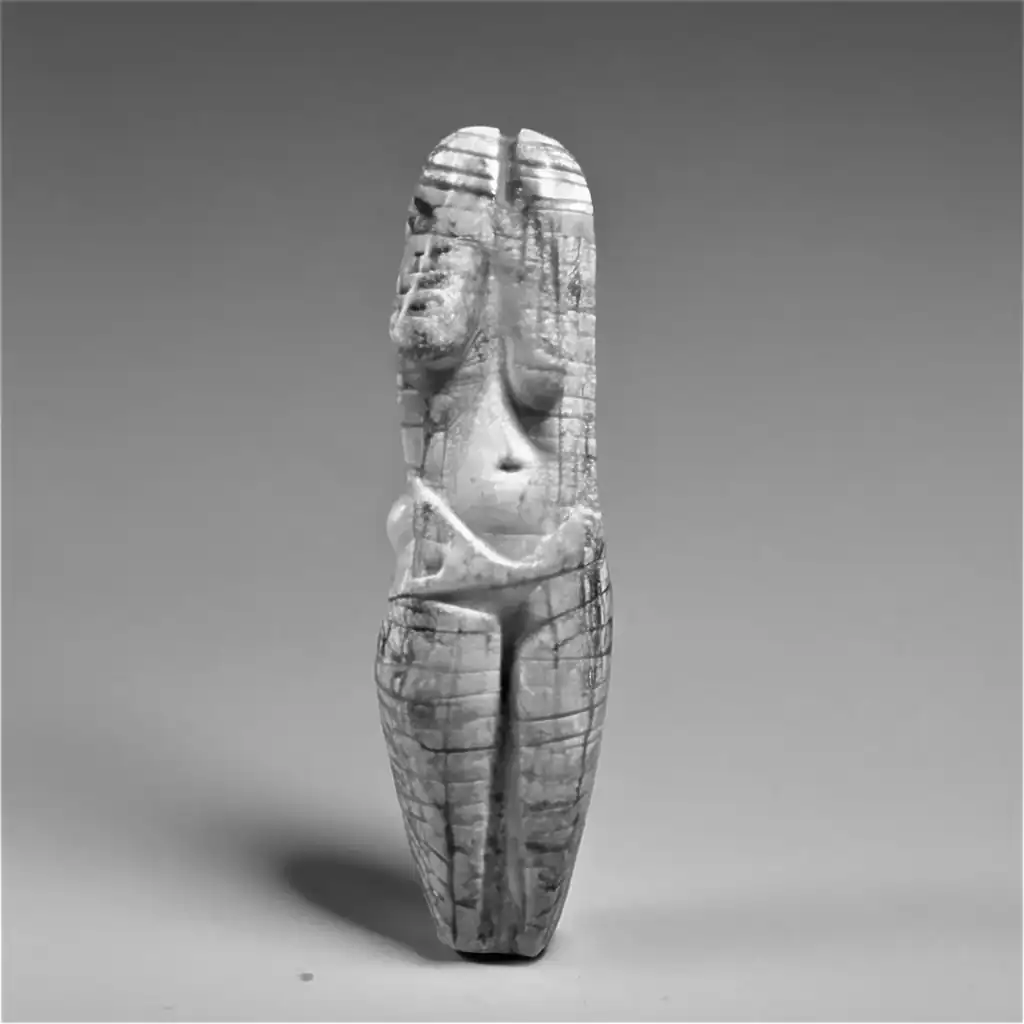
The Venus of Riegsee
Gravettian, Upper Paleolithic, ca. 22,000BC
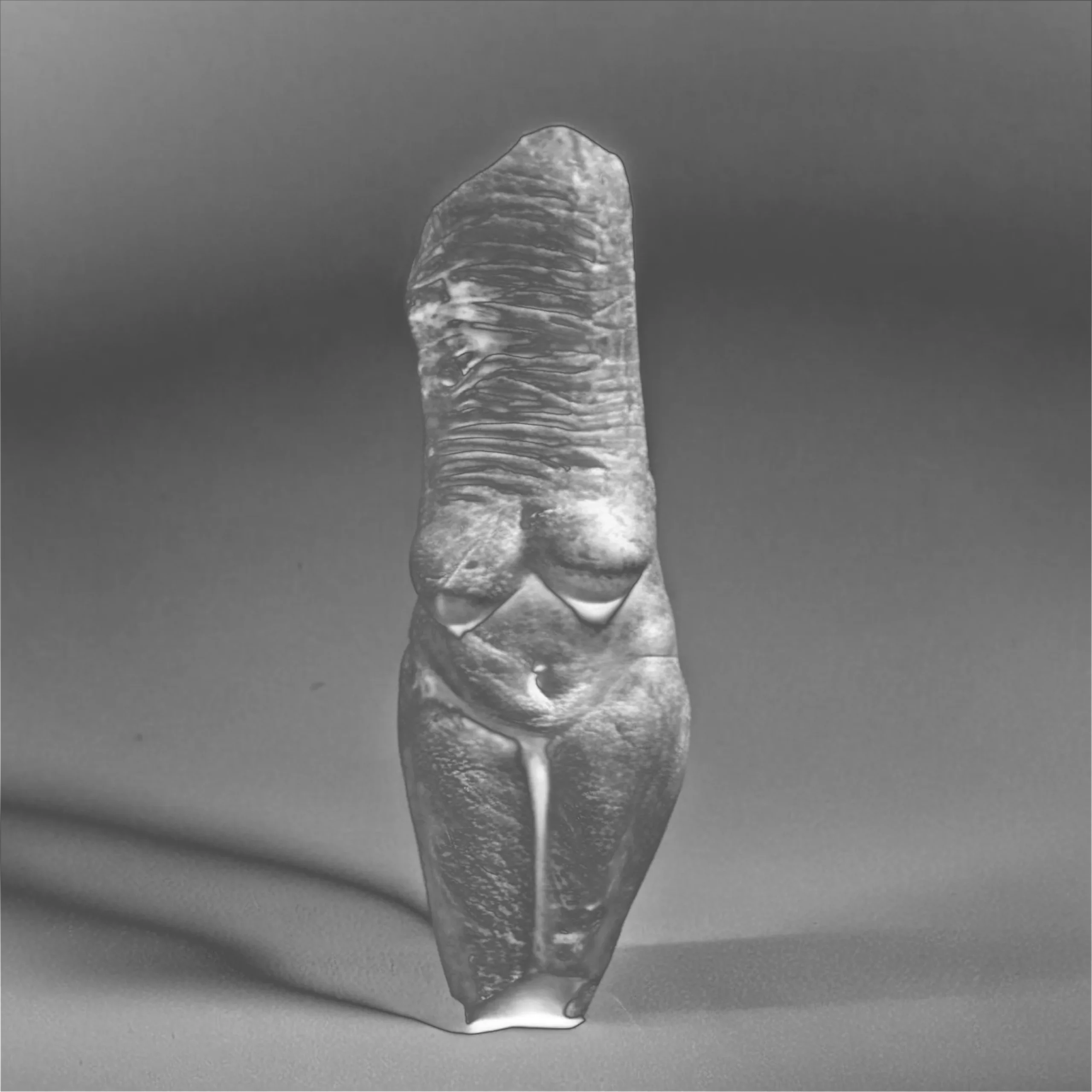
Front view of the Venus of Riegsee - Venus Dataset Archive
generationHash: 358D2B2A0545AA96060EF36366287963455EA66012D85E0023B3365F86FD2F9D
generationHash: 358D2B2A0545AA96060EF36366287963455EA66012D85E0023B3365F86FD2F9D

Universal Venus
Drawn from the diversity of Prehistoric Venus figures, Universal Venus transforms differences into a shared form through the encounter of human and technological intelligences.
The project begins with the construction of an archive of prehistoric Venus figurines, developed in dialogue with archaeologists: a gathering of bodies excavated from deep time. Their measurements, materials, and associated mythologies are treated as a form of raw code, fragments of embodied knowledge translated into the digital realm, where patterns loosen, overlap, and give rise to new anatomies.
Through the use of an open-source, copyright-friendly AI model, this archive unfolds into a constellation of speculative Venuses. Trained on a vast dataset of prehistoric Venus figures, the machine acts as a morphogenetic collaborator, synthesizing one of humanity’s oldest surviving art forms.
These figures are not replicas, but descendants: hybrid bodies carrying the resonance of ancestral gestures, reimagined through the soft distortions of machine learning.
Each generated Venus is assigned a fictive origin, material, and date of discovery, situating it within a time before time. Together, they compose an archaeology of the possible: ritual objects from parallel timelines where prehistoric memory and speculative futures converge.
Presented as a dialogue between a carved stone artifact and a dreaming machine, Universal Venus anchors generative AI in the deepest archaeological roots of human creativity, reactivating a lineage of female representations shaped by plurality rather than normative ideals of beauty.

The Golden Age of Venuses
(Gravettian)
~ 29,000 to 22,000 BC
Region:
From France to Siberia
Key Figures:

Venus of Willendorf (Austria)
Lady of Brassempouy (France)
Venus of Laussel (France)
Venus of Dolní Věstonice (Czech Rep.)
Schematic Abstraction
(Magdalenian)
~ 15,000 to 11,000 BC
Region:
Western and Central Europe
Key Figures:
Venus of Petersfels (Germany)
Venus of Monruz (Switzerland)
Venus of Courbet (France)
The Gönnersdorf Figurines (Germany)
The Dogū Era
(Jōmon Period)
~ 10,000 to 300 BC
Region:
Japanese Archipelago
Key Figures:
The Jōmon Venus (Middle Jōmon, Nagano)
Shakōki-dogū (Final Jōmon, Aomori)
Kamen no Megami (Late Jōmon, Nagano)
Hollow Dogū / Chūkū-dogū (Late Jōmon, Hokkaido)


venus_database

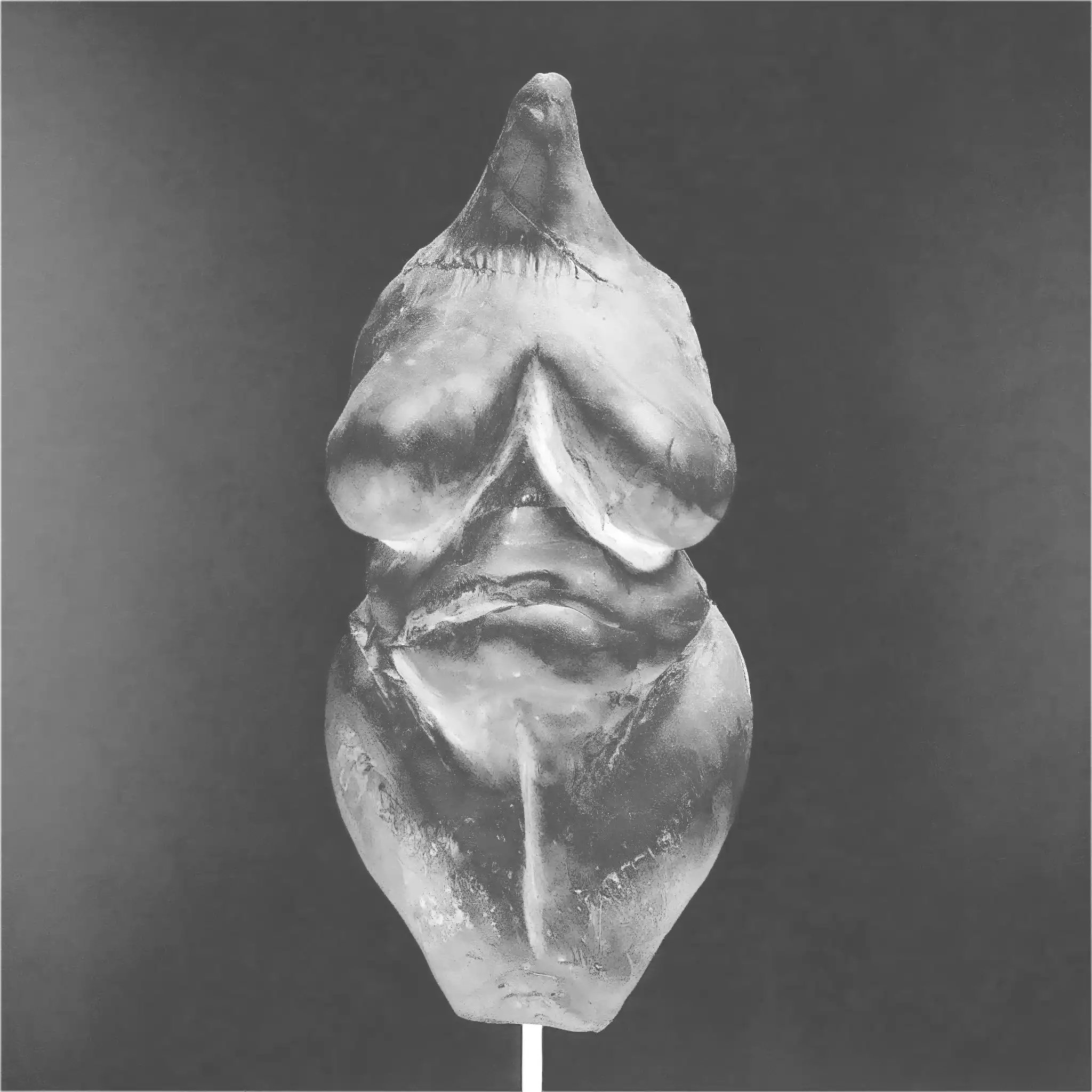
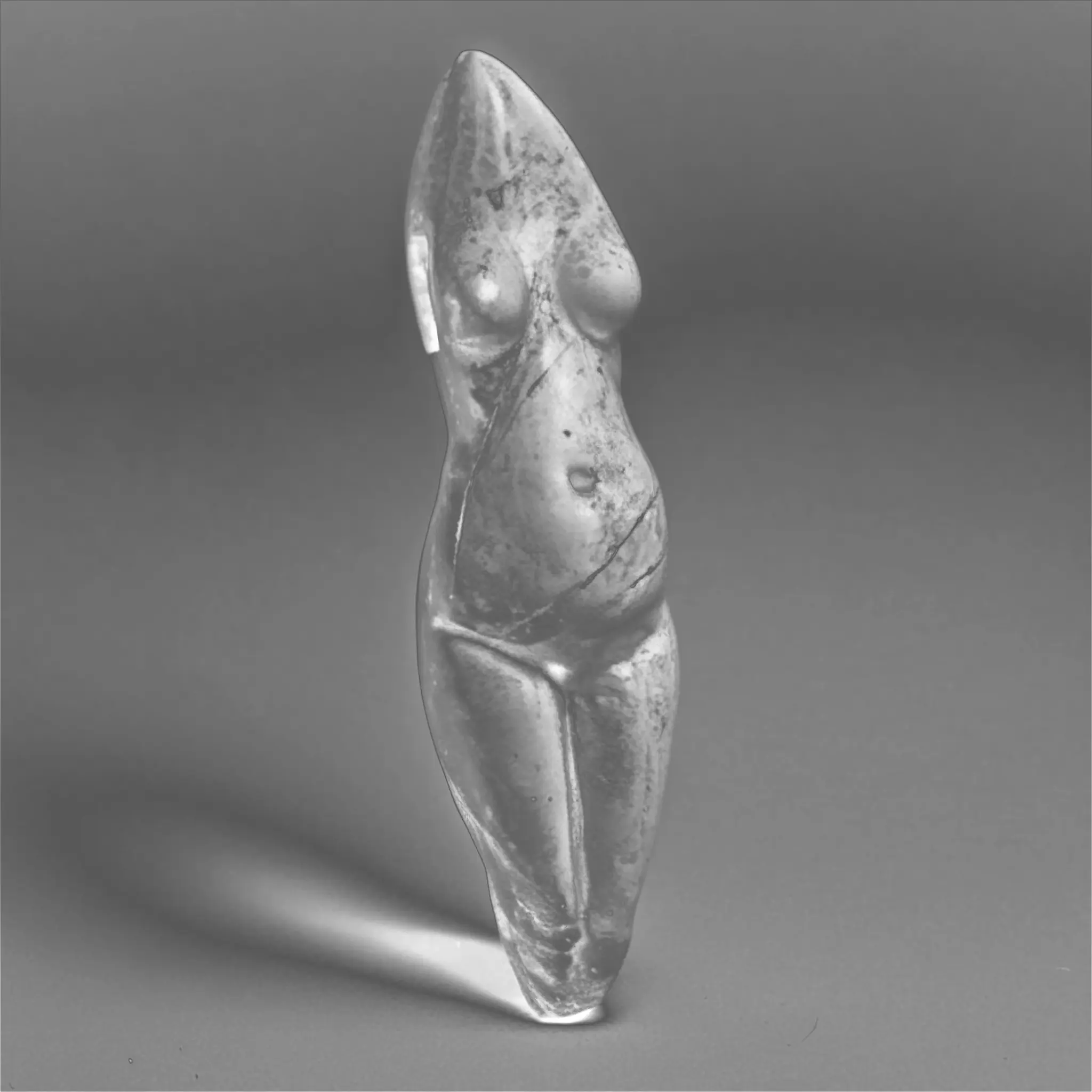
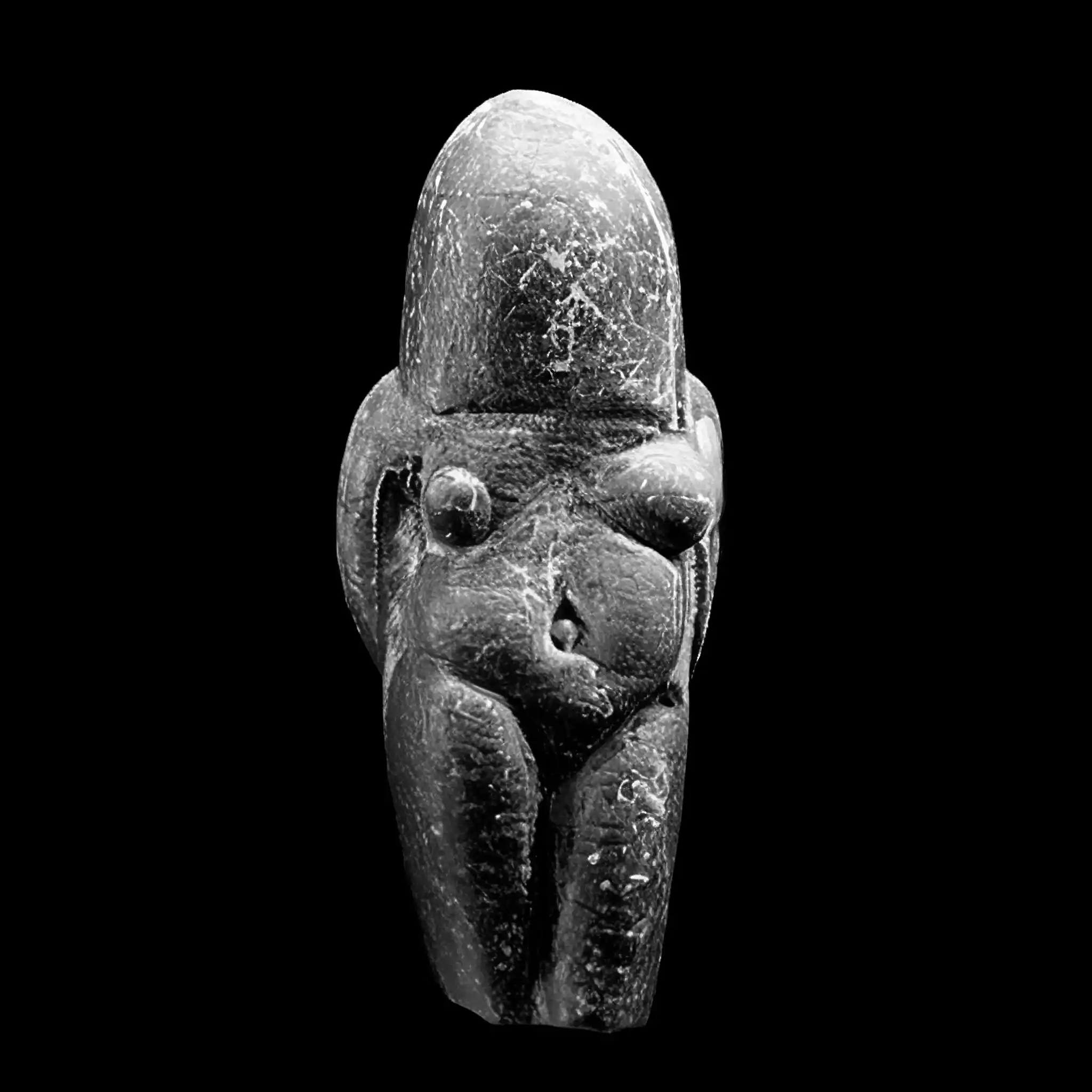
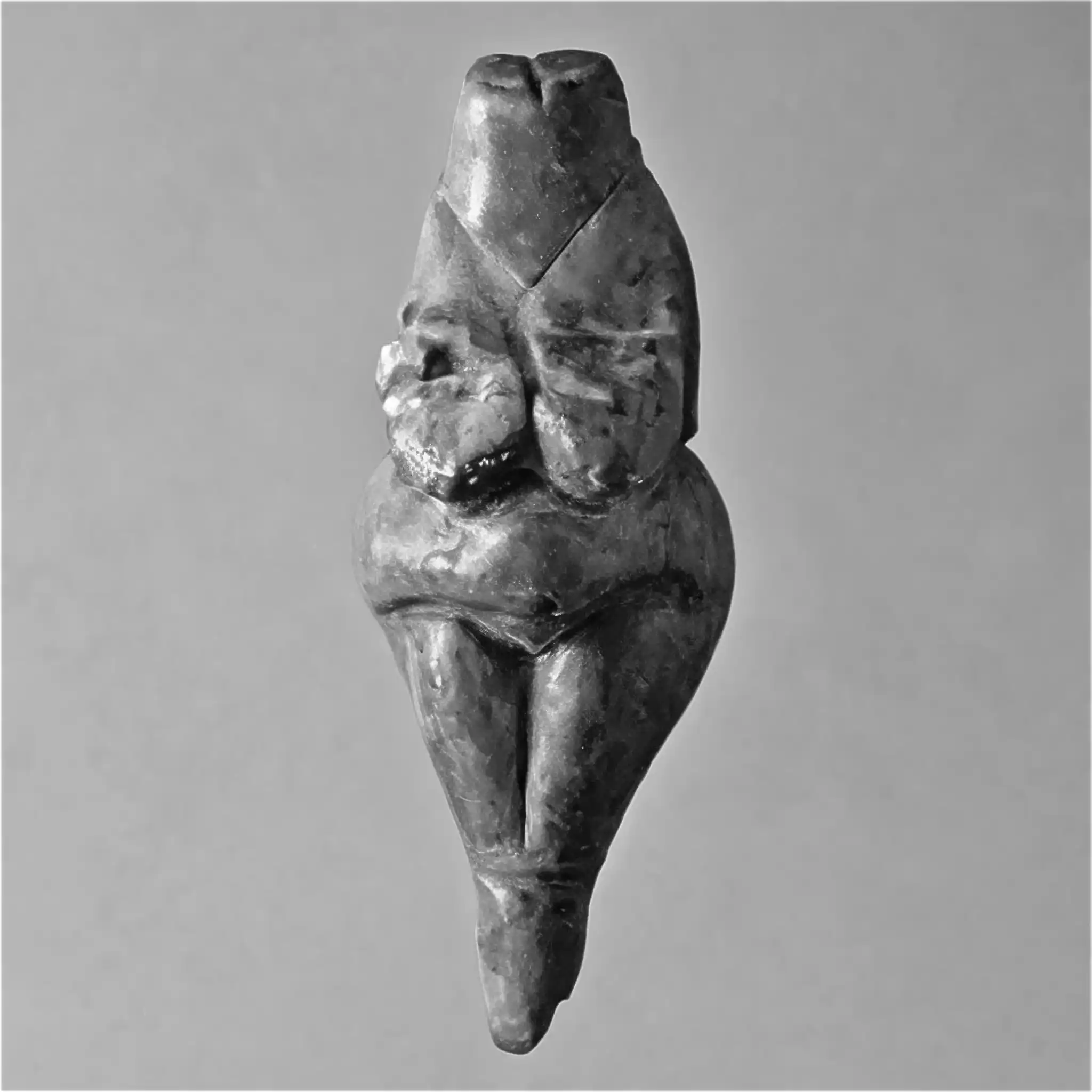
Venus of Lespugue - c. 26,000–30,000 BP

Venus of Tan-Tan - C. 500,000 and 300,000 BP
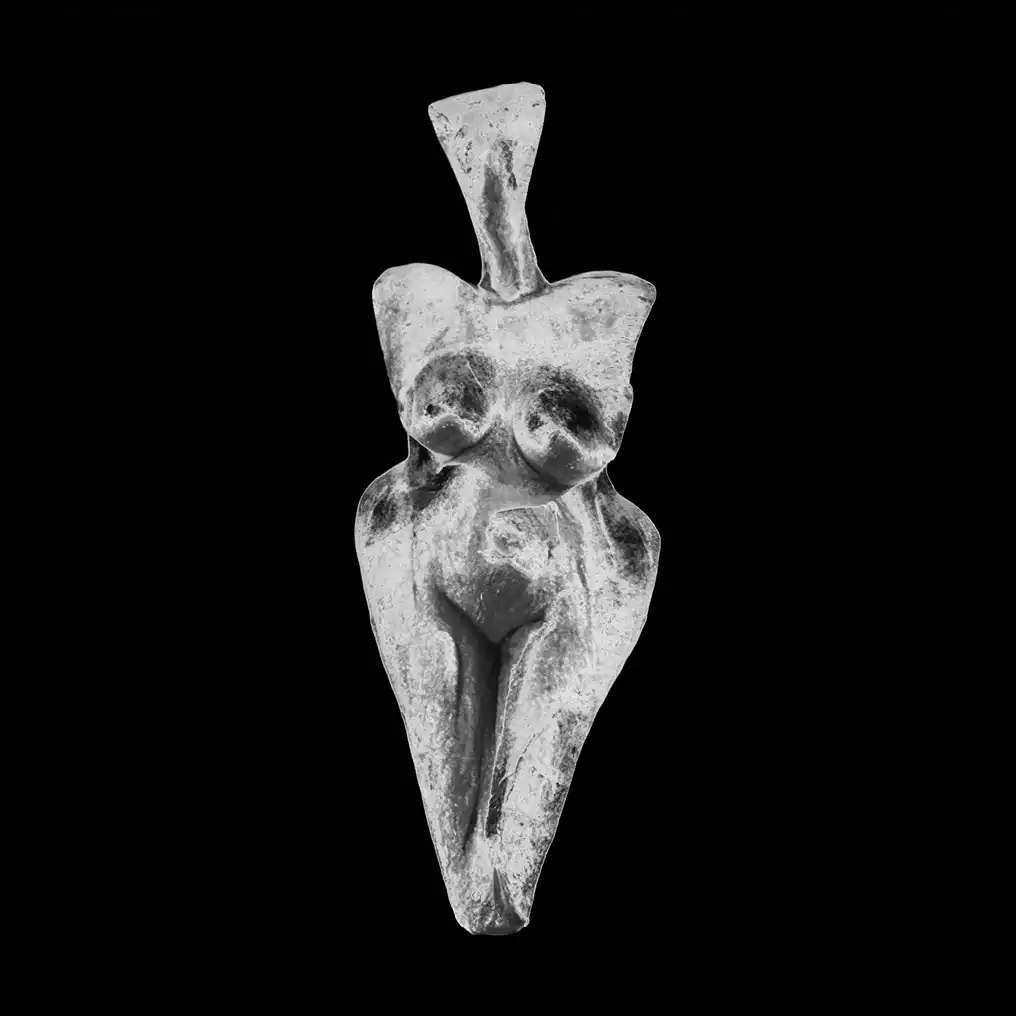
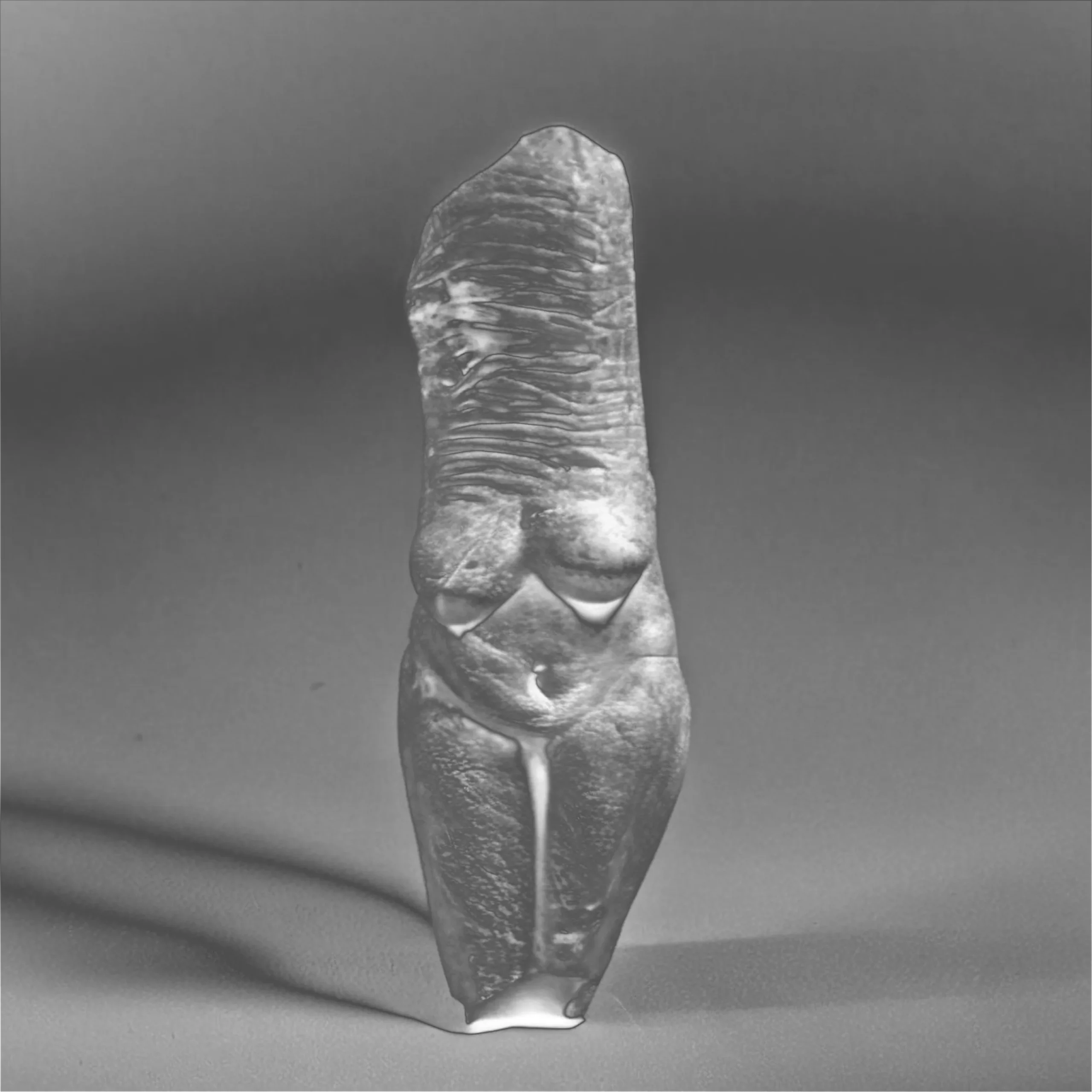
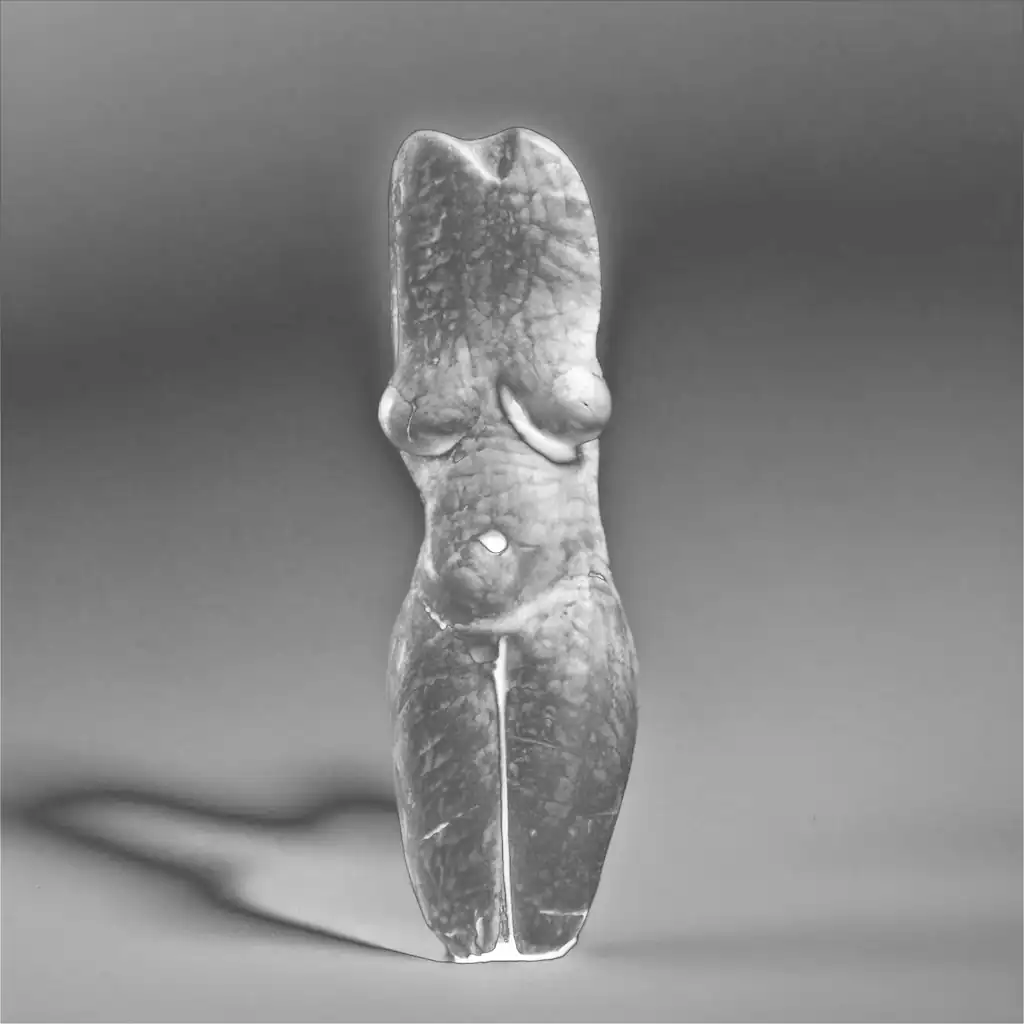
Witnessing the generation of these speculative Venuses reveals a profound dialogue between ancestral artifacts and contemporary code. Within the hidden architecture of the AI, the distinct silhouettes of early human art are broken down and reimagined as a breathing, infinite evolution.
The female body has never belonged to norms. It is norms that have tried to impose themselves upon it. But throughout the long course of human history, its freedom is older, broader, and more authentic.

Materialisation
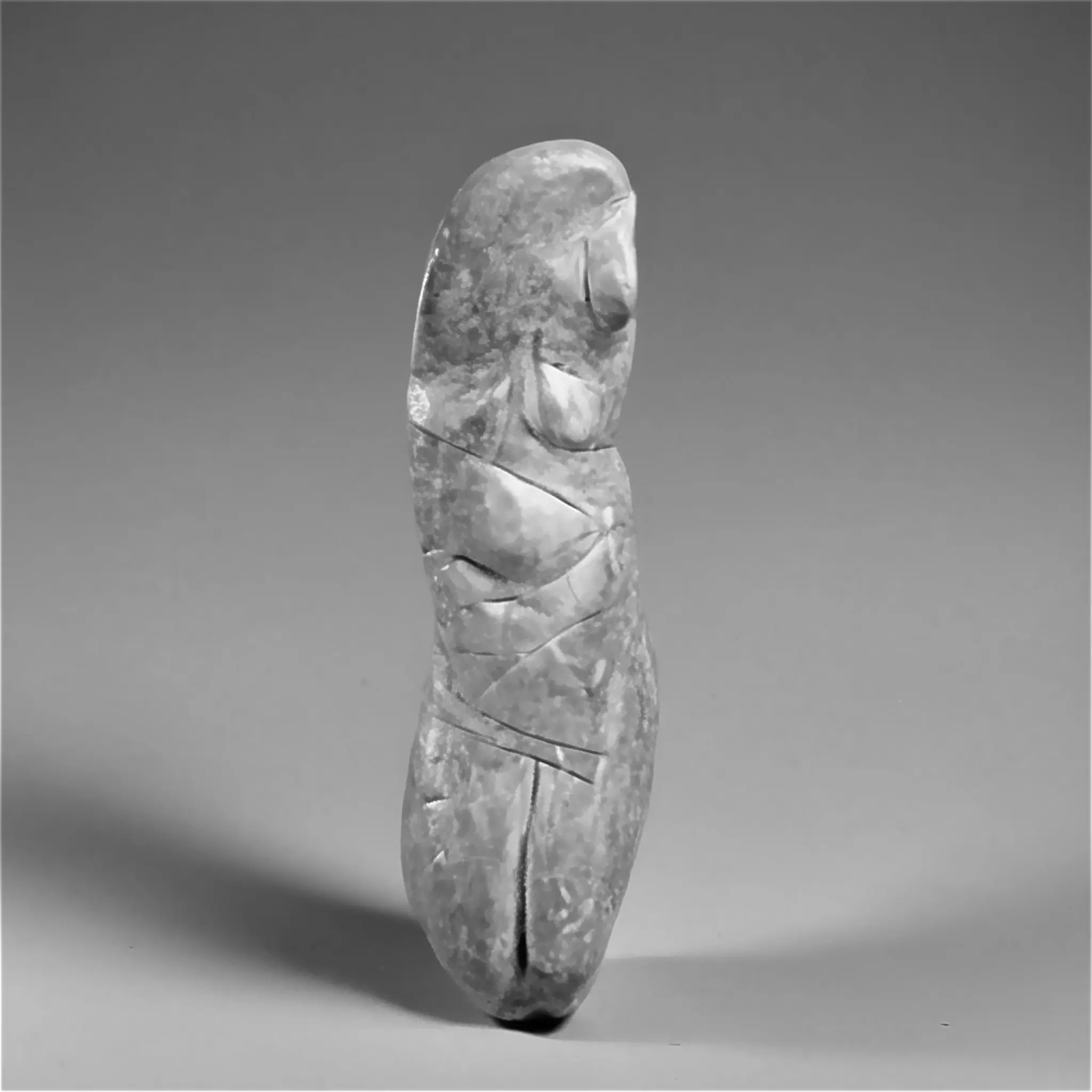
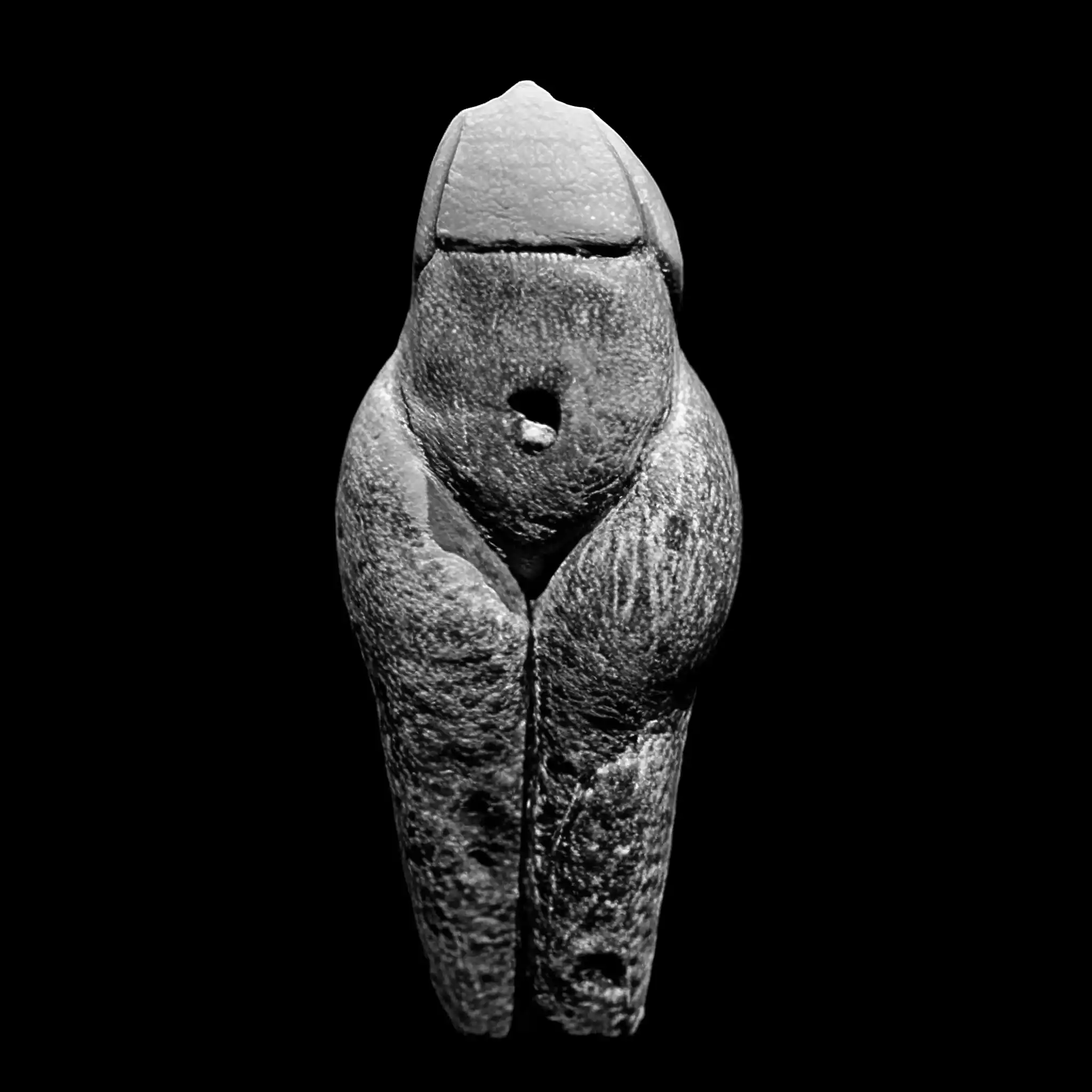
The generated form becomes a singular body, shaped by the resistance and permanence of stone.


The Sedentary Goddesses
(Middle Neolithic)
~ 7,000 to 6,000 BC
Region:
Anatolia and the Near East
Key Figures:
Seated Woman of Çatalhöyük
Figurines of Hacılar
Venuses of the East
(Chalcolithic)
~ 5,500 to 2,750 BC
Region:
Eastern Europe
Key Figures:
Council of Goddesses (Poduri, Romania)
The Venuses of Vladimirovka (Ukraine)
Hora of Frumușica (Romania)
The First Venuses of the South
(Formative Period)
~ 3,500 to 1,500 BC
Region:
Ecuador
Key Figures:
The Ceramic Figurines of Real Alto